
- Home
- Meet Dr. Floyd
- Our Reviews
- Treatments
- Infant Dental Exam
- Custom Mouth Guards
- Custom Night Guards
- Dental Emergency
- Dental Sealants
- Fluoride Treatment
- Gentle Teeth Cleanings
- Digital X-Rays
- Limited Orthodontics
- Silver Diamine Fluoride
- Space Maintainers
- Special Needs Dentistry
- Thumb/Finger Habit Appliance
- Tooth Colored (White) Crowns
- Tooth Colored (White) Fillings
- Tooth Extractions
- Sedation Dentistry
- Frenectomy Laser Treatment
- Parents info
- Referrals
- Contact Us
What Is a Pediatric Mouth Guard? A Parent’s Guide to Custom Mouth Guards for Kids
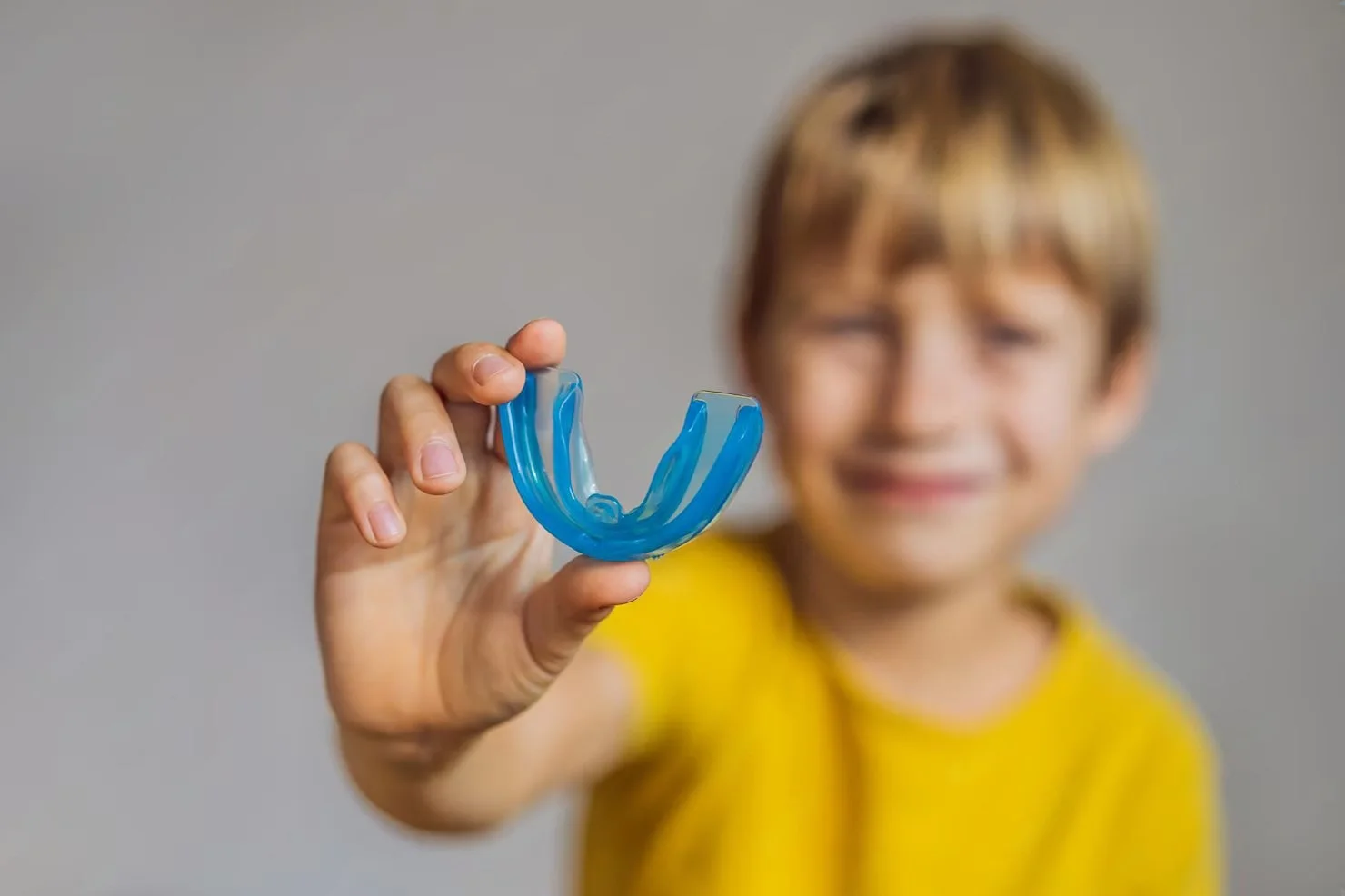
Mouthguards are common for kids, but many parents may not realize how many different uses they can have. If you were recently told your child needs a mouthguard, noticed another child wearing one, or started wondering, “What is a mouthguard?”, this article is for you. This guide explains what a pediatric mouth guard is, the different types available, and when they may be recommended.
What Is a Pediatric Mouth Guard?
A mouthguard is a soft or firm covering, usually made of plastic, that fits over the teeth to help protect them from injury, pressure, or damage. For children, a mouthguard may be recommended to protect teeth during sports or to reduce the impact of grinding, clenching, tongue biting, or certain oral habits.
A pediatric mouth guard is different from a standard adult mouth guard because it is made with a child’s developing teeth, jaw, and bite in mind. Children’s mouths change as baby teeth fall out and permanent teeth come in, so fit and comfort are especially important.
When Might a Child Need a Pediatric Mouth Guard?
A child may need a pediatric mouth guard for several reasons, and the right type depends on what the guard is meant to protect against. A mouthguard may be helpful if your child:
Plays sports: Physical activity can put children at risk for chipped teeth, knocked-out teeth, cuts to the lips or cheeks, and jaw injuries, making a mouthguard helpful for protection.
Grinds their teeth at night: Nighttime grinding can wear down tooth enamel, cause sensitivity, and lead to jaw soreness over time. A mouthguard can help protect the teeth while your child sleeps.
Clenches their jaw: Frequent clenching can place extra pressure on the teeth and jaw, especially if your child wakes up with soreness or discomfort. A mouthguard may help reduce the effects.
Bites their tongue while sleeping: Repeated tongue biting can cause painful sores, bleeding, or irritation that makes eating and speaking uncomfortable. A mouthguard can help create a protective barrier.
Struggles with thumb-sucking: Ongoing thumb-sucking can affect how the teeth, bite, and jaw develop as your child grows. A mouthguard may be recommended depending on your child’s age and needs.
Parents can purchase an over the counter night guard, but store-bought options may not fit a child’s growing mouth properly. A pediatric dentist can examine your child’s teeth to determine whether an over-the-counter option is appropriate or if a custom mouth guard would be best.
Types of Pediatric Mouth Guards
There are different types of mouthguards for children, and each one serves a different purpose. Some are designed for sports protection, while others are used during sleep or to address specific dental concerns.
Athletic Mouth Guard
An athletic mouth guard or sports mouthpiece helps protect a child’s teeth, lips, cheeks, and jaw during athletic activities. Children who play sports such as football, basketball, soccer, hockey, lacrosse, wrestling, or martial arts may benefit from wearing one. While store-bought sports mouthpieces are available, a custom mouth guard from a pediatric dentist may provide a better fit and stronger protection. A better fit can also make it easier for kids to breathe, speak, and keep the mouth guard in place during activity.
Night Guard for Tongue Biting
A night guard for tongue biting might be recommended if a child bites their tongue while sleeping. Tongue biting can happen for different reasons, including teeth grinding, jaw movement, bite issues, or other concerns that should be evaluated by a dentist. A night guard can help create a barrier, but it is important to understand why the tongue biting is happening before choosing a solution. A pediatric dentist can evaluate your child’s bite and symptoms to determine the safest next step.
Snore Guard
A snore guard is a mouth guard to stop snoring. It is often marketed to adults, but snoring in children should be handled carefully. Frequent snoring may be related to airway concerns, enlarged tonsils or adenoids, allergies, sleep-disordered breathing, or other medical issues. Parents should not use a snore guard for a child without professional guidance. If your child snores regularly, wakes up tired, breathes through their mouth, or seems restless during sleep, talk to a pediatric dentist or physician before choosing any appliance.
Mouth Guard for Thumb Sucking
When thumb sucking continues beyond the toddler years, it may affect tooth alignment, bite development, and the shape of the mouth. A pediatric dentist may recommend a mouth guard for thumb sucking to help discourage this habit. Early support can help reduce the chance of more noticeable alignment concerns later. It can also give parents a clear plan for helping their child move away from thumb sucking in a healthy, low-stress way.
Pros and Cons of Pediatric Mouth Guards
Pediatric mouth guards can be helpful for protecting a child’s teeth, but they are not always the right solution for every situation. A pediatric dentist can help parents understand the benefits, limitations, and whether a mouth guard is appropriate for their child’s needs.
Pros of Pediatric Mouth Guards Include:
Protection from dental injuries: Mouth guards can help reduce the risk of chipped, broken, or knocked-out teeth during sports and physical activity.
Less wear on teeth: For children who grind or clench, a mouth guard can help protect enamel from ongoing pressure.
Reduced soft tissue injuries: A mouth guard may help protect the lips, cheeks, and tongue from cuts or irritation.
Supports healthy bite development: While a mouthguard does not straighten teeth, the right pediatric appliance may help protect developing teeth and reduce habits that can affect bite alignment over time.
H3: Cons of Pediatric Mouth Guards Include:
Need for replacement: As children grow and their teeth change, mouth guards may need to be adjusted or replaced.
Not a cure for every habit: A mouth guard may protect the teeth, but it may not stop grinding, clenching, snoring, or thumb-sucking on its own.
Comfort issues: Some children may need time to adjust to wearing a mouth guard.
Cost considerations: Custom pediatric mouth guards may offer a better fit, but they can cost more than over-the-counter options, especially for families without coverage.
When to Talk to a Dentist About a Mouth Guard
Parents should talk to a pediatric dentist about a mouth guard if their child has frequent dental injuries, plays contact sports, grinds their teeth, clenches their jaw, bites their tongue, or continues thumb-sucking beyond the toddler years. A dentist can examine your child’s teeth, bite, jaw, and oral development to determine whether a mouth guard is needed. You should also schedule a visit if your child complains of tooth sensitivity, jaw soreness, headaches, mouth pain, or discomfort while chewing. These signs may mean that grinding, clenching, or another habit is starting to affect their oral health.
A pediatric dentist can help parents decide whether an over-the-counter option is enough or if a custom pediatric mouth guard would provide better fit, comfort, and protection.
Get a Custom Pediatric Mouth Guard in Fairfax, VA
A pediatric mouth guard can help protect your child’s smile during sports, sleep, or certain oral habits, but the right fit matters. Pumpkin Pediatric Dentistry in Fairfax, VA, provides custom mouth guards, night guards, preventive care, and pediatric dental services. If your child needs a mouth guard or you are unsure which type is right, schedule an appointment today.
Frequently Asked Questions
Yes, pediatric mouth guards can be safe when they are properly fitted or recommended by a pediatric dentist.
No. Adult mouth guards are not designed for children’s smaller, developing mouths and may not fit safely or comfortably.
It depends on your child’s age, growth, and how often the mouth guard is used. Since children’s teeth and jaws change over time, a pediatric dentist should check the fit regularly.
Children who play contact sports or activities with a risk of falls or impact may benefit from a sports mouthpiece or athletic mouth guard to help prevent dental injuries.
In many cases, a mouth guard for thumb sucking or habit appliance may help discourage thumb sucking, especially if the habit is affecting your child’s teeth, bite, or jaw development.
It is best to ask a pediatric dentist first. An over the counter night guard may not fit properly and may not be appropriate for a child’s developing teeth and bite.
Book an Appointment
Contact Us
Ph. 703-436-1010
Fax. 703-436-1022
Email: Info@pumpkinpediatricdentistry.com
Address
13135 Lee Jackson highway. Suite 110
Fairfax VA 22033
Office Time
Monday - Saturday: 8:30AM–5PM